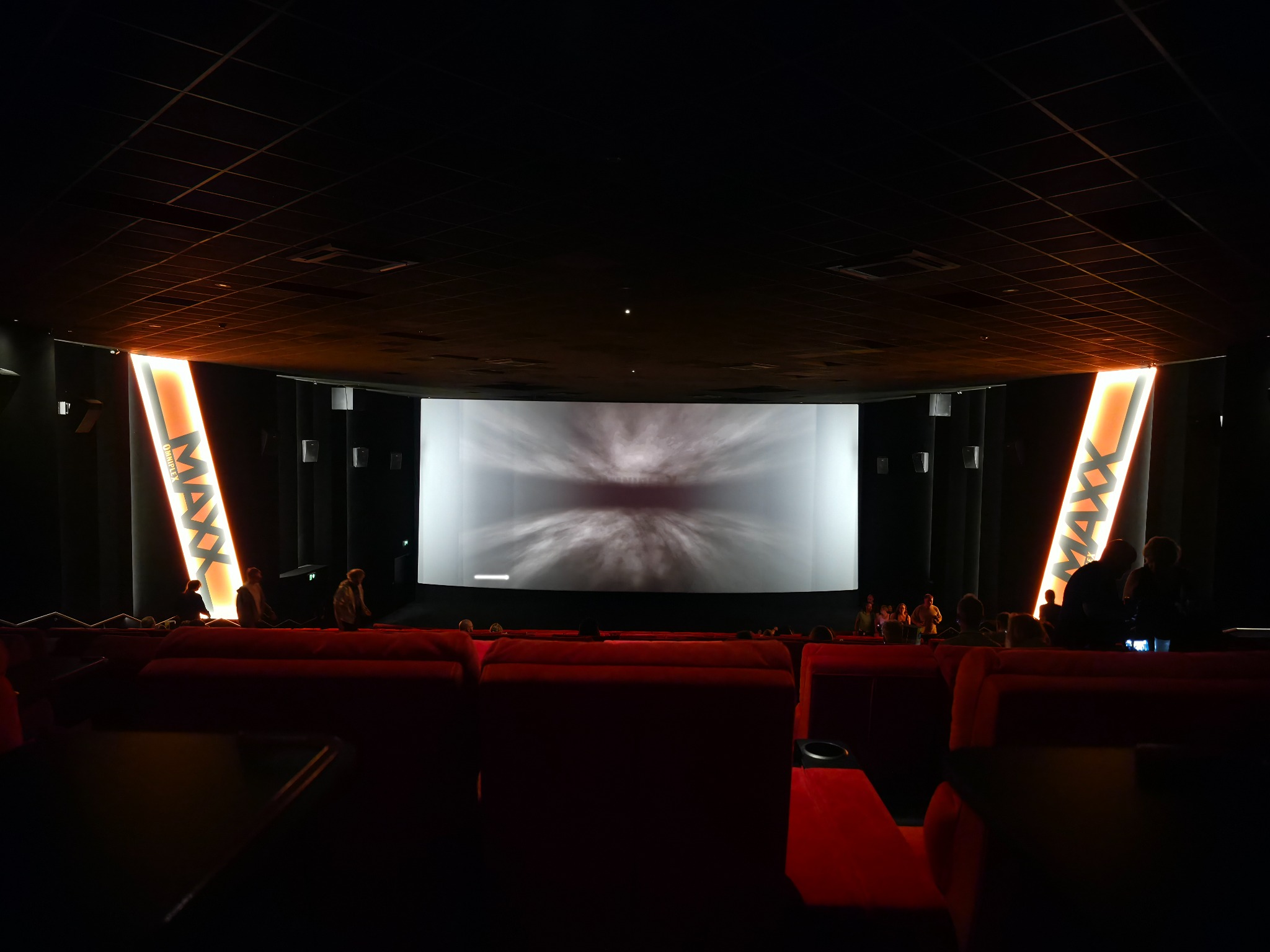
Last weekend, I watched Christopher Nolan’s The Odyssey at the cinema. I expected something visually impressive, perhaps grand and technically accomplished in the way Nolan’s films often are. What I did not expect was to be affected by it quite so deeply.
There were moments when the music, the landscapes, the movement of the camera and the scale of the story seemed to merge into a single experience. I was no longer separately noticing the cinematography, the performances or the soundtrack. Everything was working together, creating a feeling of wonder that was difficult to put into words.
Ludwig Göransson’s score was a large part of that experience. Since watching the film, I have kept returning to the soundtrack, particularly a piece called Ithaca. On its own, it is a beautiful instrumental composition. It feels distant and intimate at the same time, carrying a sense of longing, memory and the idea of finally returning somewhere after being away for far too long.
But hearing it in the cinema was different.
Combined with the visual storytelling, the enormous landscapes and the carefully composed camera shots, the music created something almost mesmerising. For a few moments, the film seemed larger than the screen. It produced that rare feeling of awe, when something feels beautiful not simply because of what you are seeing, but because of everything it quietly awakens inside you.
At one point, I realised that I had shed a tear.
It surprised me. I am usually composed, and there had been no conscious moment when I had decided that something was sad. The emotion seemed to arrive before I had understood it. I did not immediately know whether it came from the music, the story, the imagery or some combination of all three.
Perhaps that is what great cinema can do. It can reach a part of us that exists before explanation. We often try to understand why something moves us, but sometimes the response comes first and the reasoning only follows later.
There is something powerful about sitting in a dark cinema and temporarily surrendering your full attention to another world. At home, it is easy to pause something, look at a phone or allow your thoughts to wander. In the cinema, the size of the image and the physical presence of the sound demand something different. For a few hours, you are completely surrounded by the experience.
Watching The Odyssey reminded me that art does not always need to communicate through a clear argument or an easily described message. Sometimes it communicates through atmosphere, rhythm, sound and scale. You feel its meaning even when you cannot immediately explain it.
I have listened to Ithaca many times since leaving the cinema. Each time, it brings back fragments of that experience: the vastness of the landscapes, the sense of an immense journey, and the strange mixture of longing and wonder that stayed with me after the film ended.
I still cannot say exactly where that tear came from.
Perhaps I do not need to.